Recognizing the Initial Signs of a Bone Fracture and When to Seek Medical Care
April 9, 2025
Extensive Orthopedic Surgeries for Serious Injuries in Dubai
April 21, 2025The acromioclavicular joint (AC) is a crucial point of attachment of the acromion (shoulder blade) and the clavicle (collarbone). The joint acts as a shoulder and arm function stabilizer. With each instance of AC joint dislocation, stabilizing ligaments of the AC joint are either torn or damaged via trauma, falls, or force on the shoulder.
While AC joint injuries are common among active and sporting individuals, they can affect anyone. The difference in recovery lies in early diagnosis and prompt ac joint dislocation treatment. Early diagnosis not only accelerates recovery but also prevents long-term consequences such as chronic pain, loss of shoulder mobility, and arthritis.
Herein, we are going to explore the importance of early diagnosis, the different forms of acromioclavicular joint dislocation treatment, and why consulting expert care is crucial for successful recovery.
Understanding AC Joint Dislocation
AC joint dislocation is an injury of the joint that connects the acromion with the clavicle. Another condition known as shoulder separation has varying severity implications for ligaments, clavicle displacement. The common causes behind injuries and reasons can vary accordingly and AC joint is caused commonly when we have fallen over the shoulder.
Common Reasons:
- Fall over the shoulder
- Sports injuries (especially contact sports like football or rugby)
- Motor vehicle crash
- Overuse of weightlifting or repetitive use of the arm
Symptoms:
- Bump or deformity that can be observed at the top of the shoulder
- Severe pain, especially in the arm
- Bruising and swelling in the shoulder
- Decreased range of motion
- Weakness or instability in the arm
If the said symptoms are not diagnosed or misdiagnosed, the injury might escalate and result in persistent pain and disability.
Why Early Diagnosis Is Important
Early diagnosis of ac joint dislocation is crucial in choosing the appropriate treatment course and preventing complications. Mild cases can be treated well with conservative treatment if diagnosed early, while severe dislocations can be treated surgically.
- Advantages of Early Diagnosis:
- Prevents ligament damage worsening
- Facilitates focused rehabilitation from the beginning
- Decreases risk of chronic shoulder instability
- Enhances long-term shoulder function
- Prevents post-traumatic arthritis development
Delayed diagnosis may result in improper healing, overproduction of scar tissue, and eventually more forceful treatments.
Types of AC Joint Dislocation Treatment
1. Non-Surgical Treatment (Grades I and II)
For minor dislocations, conservative treatment can be highly successful:
- Rest and immobilization in a sling
- Ice therapy to reduce inflammation
- Pain management with medications
- Physical therapy for progressive return of shoulder motion
This procedure generally works when the displacement is small and ligaments are partially torn.
2. Surgical Treatment (Grades III to VI)
In severe cases, especially if the ligaments are completely torn or the clavicle is displaced significantly, the clavicle must be treated surgically. Surgical techniques may involve:
- Ligament reconstruction using grafts
- Clavicle realignment with fixative devices
- Arthroscopic procedures for minimal invasiveness
Rehabilitation post-operatively is necessary in order to regain full strength and flexibility.
For high-quality ac joint dislocation treatment, it is essential to meet with a skilled orthopedic surgeon in Dubai who can customize the treatment according to your unique injury grade and lifestyle demands.
AC Joint Dislocation vs. Other Orthopedic Conditions
It should be remembered that AC joint dislocation should be distinguished from other spinal and shoulder pathology. The majority of patients with upper shoulder pain usually blame it on musculoligamentous strain or even cervical spine pathology.
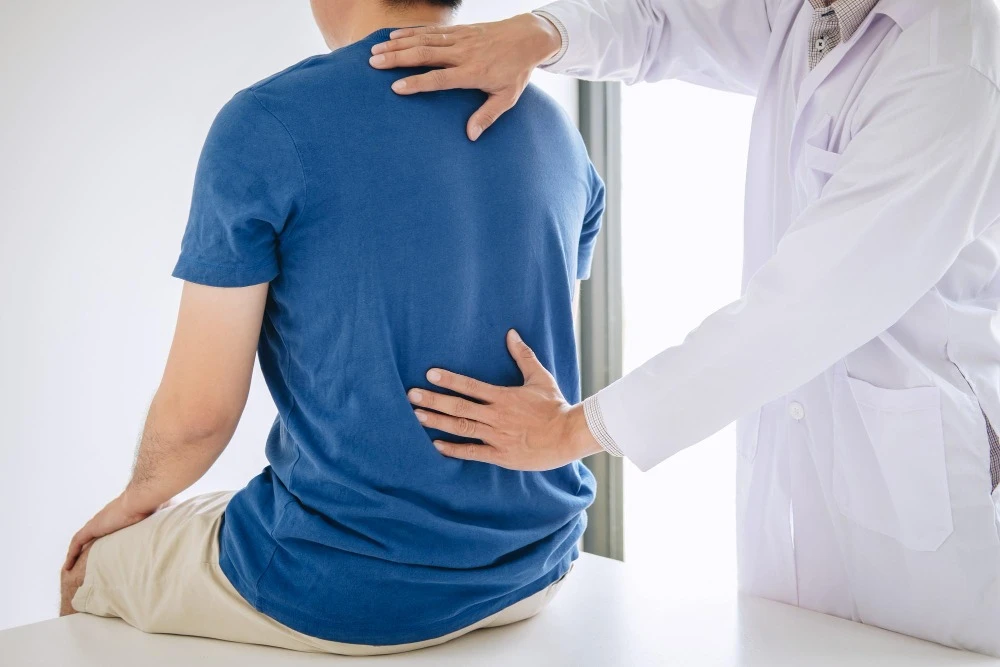
Similarly, back pain—a very common musculoskeletal ailment—can share similar symptoms with shoulder injury, especially referred pain. As such, accurate diagnosis from a qualified orthopedic expert is important not only for acromioclavicular joint dislocation treatment, but also for back pain treatment in Dubai and other orthopedic conditions.
Choosing the Appropriate Orthopedic Care
Getting the proper diagnosis and treatment starts with selecting the best orthopedic surgeon in Dubai. A specialist with experience in sports injuries and joint management is able to properly assess the grade of the injury based on physical exam and imaging (X-rays, MRI), and offer the best course of treatment.
When selecting an orthopedic surgeon Dubai residents should keep in mind:
- Shoulder injury and reconstruction skills
- Accessibility of the newest diagnostic equipment
- Customized rehabilitation programs
- Shown history in patient outcomes and recovery
Final Thoughts
Timely diagnosis is the cornerstone to successful ac joint dislocation treatment. Postponement or disregarding the signs might lead to irreparable complications and long-term shoulder dysfunction. With timely medical treatment and consultation with an experienced expert, patients can significantly increase their chance of complete recovery.
If you or someone around you is presumed to have an acromioclavicular joint dislocation or any trauma to the musculoskeletal system, do not wait. Cherish your health by hiring the services of professionals who specialize in full-service orthopedic treatment.
At Alshifa Alkhaleeji, we believe in providing the finest orthopedic care in Dubai. With our team of specialists, well-equipped diagnostic laboratories, and patient-centric strategy, we ensure that you get the right treatment at the right moment. Whether you need ac joint dislocation treatment, sports injury management, or back pain treatment in Dubai, leave your rehabilitation journey to perfection and care at our hands.
It’s when the ligaments connecting the acromion and clavicle tear, often due to trauma, causing pain and limited movement.
It prevents worsening damage, speeds recovery, and reduces the risk of chronic pain and arthritis.
Symptoms include shoulder deformity, pain, swelling, bruising, and limited range of motion.
Mild cases are treated with rest, ice, and therapy, while severe cases may require surgery.
Consult an experienced orthopedic surgeon with advanced diagnostic tools and a strong recovery history.